Tag: trending stories Kenya

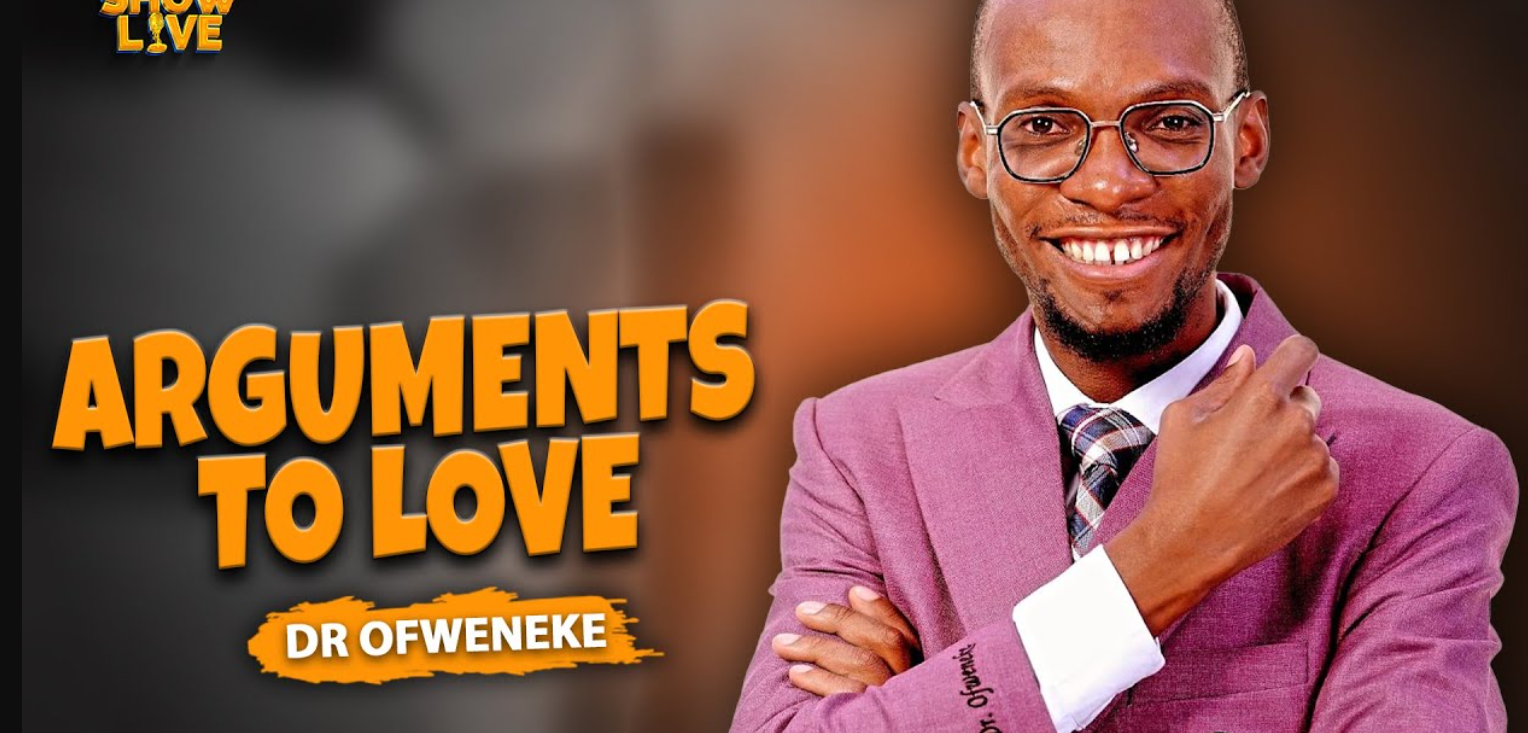
  • Dr. Ofweneke’s Relationship Controversies: When Public Relationship Advice Collides With Private Reality

    Dr. Ofweneke’s Relationship Controversies: When Public Relationship Advice Collides With Private Reality

    Why the Dr. Ofweneke Story Keeps Capturing Public Attention

    Every few years, Kenya’s entertainment industry produces a relationship story that refuses to disappear. Not because of a dramatic breakup. Not because of a wedding. And not even because of social media screenshots.

    The recent conversations surrounding Dr. Ofweneke have remained in the spotlight because they touch on something much bigger than celebrity relationships: the gap between public image and private behavior.

    For years, Dr. Ofweneke has positioned himself as a man who learned from his mistakes. His personal transformation story has become part of his brand. Through radio, television, motivational talks, and relationship discussions, he has often spoken about growth, accountability, marriage, and becoming a better man.

    But whenever new allegations emerge, many people find themselves asking the same question:

    Can someone become a relationship advisor while their own relationship history remains controversial?

    That question is far more interesting than any wedding video.

    The Real Story Isn’t About Marriage—It’s About Patterns

    One thing that stands out when looking at the various public discussions surrounding Dr. Ofweneke is that every relationship seems to come with a different explanation for why things went wrong.

    One relationship reportedly ended because two people were incompatible.

    Another was later described as being damaged by alcohol, nightlife, and emotional absence.

    More recent allegations have focused on trust, communication, and questions about overlapping relationships.

    Individually, none of these explanations are unusual.

    Relationships fail every day.

    People change.

    People make mistakes.

    Life becomes messy.

    What makes the story fascinating is that the explanations keep changing while public scrutiny keeps returning.

    That naturally leads people to wonder whether the issue was ever a single event—or whether the public is witnessing a recurring pattern.

    And if there is one thing the internet loves more than a scandal, it is a pattern.

    Why Relationship Experts Are Held to a Higher Standard

    There is an unwritten rule that comes with becoming a public relationship commentator.

    The moment you start teaching people how to love, people start examining how you love.

    The moment you begin advising couples on marriage, audiences become curious about your own marriage.

    And the moment you become known for relationship wisdom, your personal relationships stop being entirely private.

    That doesn’t mean relationship coaches must be perfect.

    In fact, many of the best lessons come from people who have failed.

    The challenge comes when public advice and private actions appear to move in opposite directions.

    People can forgive mistakes.

    What they struggle to forgive is perceived hypocrisy.

    That’s why the Dr. Ofweneke discussions continue generating engagement long after the headlines fade.

    The Complicated Business of Reinvention

    One of the most interesting aspects of the story is the idea of personal reinvention.

    Modern celebrity culture rewards reinvention.

    People love comeback stories.

    They love hearing about someone who overcame addiction, fixed their life, found faith, and became a better person.

    Dr. Ofweneke’s public journey has often been presented through that lens.

    Former comedian.

    Former drinker.

    Ordained pastor.

    Relationship mentor.

    Family man.

    The narrative is powerful because people naturally want to believe that transformation is possible.

    The problem is that reinvention only works when audiences believe the transformation is genuine.

    The moment new controversies emerge, people begin revisiting old chapters and asking whether growth actually happened or whether the public simply received a better version of the story.

    Faith, Relationships, and Public Expectations

    Another reason this story resonates so strongly is because faith has become part of the discussion.

    Whenever spirituality enters relationship conversations, public expectations immediately become higher.

    People generally expect religious leaders, pastors, or public Christians to model the values they promote.

    That expectation is not always fair.

    Religious people are still human.

    Pastors still make mistakes.

    Believers still experience relationship problems.

    However, when faith becomes part of a person’s public identity, audiences naturally examine whether actions align with words.

    This is why recent allegations involving prayer, fasting, and spiritual conversations generated so much discussion online.

    For many observers, the issue wasn’t simply about a relationship.

    It was about trust.

    Why Social Media Makes Every Relationship Public

    Twenty years ago, most celebrity relationship drama would have stayed private.

    Today, everyone has screenshots.

    Everyone has a platform.

    Everyone has an audience.

    A disagreement that once involved two people can now involve two million.

    The Dr. Ofweneke story is also a reminder that modern relationships exist in a completely different environment.

    A relationship can feel private until one Instagram post changes everything.

    One TikTok video can rewrite public perception overnight.

    One viral screenshot can dominate online discussions for weeks.

    Social media has transformed relationships into public case studies, whether people like it or not.

    The Bigger Lesson Most People Are Missing

    While many people focus on individual allegations, there is a broader lesson hidden underneath all the noise.

    The real takeaway isn’t about Dr. Ofweneke alone.

    It is about how easily society confuses communication skills with character.

    Someone can be extremely articulate.

    Someone can speak confidently about love.

    Someone can deliver excellent relationship advice.

    None of those qualities automatically prove they have mastered relationships themselves.

    Sometimes the people who explain relationships best are still trying to figure them out.

    That doesn’t necessarily make them frauds.

    It simply makes them human.

    The challenge is remembering the difference.

    The ongoing discussions surrounding Dr. Ofweneke are ultimately about more than celebrity gossip. They reflect society’s fascination with personal growth, public accountability, faith, relationships, and authenticity.

    Whether the latest allegations prove significant in the long run remains to be seen. What is already clear, however, is that the story has evolved beyond one man and his relationships.

    It has become a conversation about credibility.

    Because in the age of social media, people are no longer interested only in what public figures say.

    They are increasingly interested in whether their lives tell the same story.

  • Dr. Job Oduor Death Mystery: Boardroom Wars, Beatrice Wangari, and the Questions Kenya Can’t Stop Asking

    Dr. Job Oduor Death Mystery: Boardroom Wars, Beatrice Wangari, and the Questions Kenya Can’t Stop Asking

    The death of Dr. Job Oduor has quickly transformed from a private tragedy into one of Kenya’s most talked-about public controversies. What began as reports of a sudden medical emergency in Kitengela has now evolved into a complicated story involving Nairobi Hospital politics, a reported long-term secret relationship, legal drama, and growing public suspicion.

    As more details continue to emerge, many Kenyans are no longer just asking how Dr. Oduor died — they are asking what kind of pressure he may have been carrying long before his final moments.


    The Death of Dr. Job Oduor Feels Bigger Than One Night in Kitengela

    Sometimes a story becomes too layered to fit inside a simple headline.

    A respected doctor dies. A woman is detained. The DCI launches investigations. Social media detectives wake up. WhatsApp groups become courtrooms. Suddenly, everyone has a theory.

    But beneath all the noise, the story surrounding Dr. Job Oduor feels less like a crime thriller and more like a reflection of how power, stress, secrecy, and public image collide in modern Kenya.

    Because if we are honest, this story stopped being just about death the moment words like boardroom wars, forensic investigations, and 10-year relationship entered the conversation.

    And Kenya loves two things deeply: mystery and influence.


    Nairobi Hospital Boardroom Drama May Have Been the Real Pressure Point

    One thing many people keep overlooking is the timing.

    Before his death, Dr. Oduor was reportedly caught in intense internal battles linked to Nairobi Hospital leadership disputes. Allegations surrounding member registers and governance fights had already dragged his name into public controversy.

    Corporate battles in Kenya are rarely just about paperwork. Behind every “leadership disagreement” is usually ego, alliances, money, influence, and survival.

    That pressure matters.

    When people hear “cardiac arrest,” they often imagine a random medical event. But stress has a way of quietly eating people long before doctors officially pronounce them dead.

    And maybe that is the uncomfortable part of this entire story.

    The public wants poison.

    But what if exhaustion was the real assassin?


    The Beatrice Wangari Angle Changed Everything

    At first, Beatrice Wangari was introduced to the public using the safest phrase possible: business associate.

    Kenyan headlines love respectable wording until court sessions force the truth into daylight.

    Then suddenly, according to the defense, this was not some brief encounter or suspicious meetup. It was allegedly a relationship that had lasted nearly a decade.

    That revelation shifted public perception immediately.

    People became less interested in the medical timeline and more interested in the hidden life of a powerful man.

    And honestly, Kenyan society has always had a complicated relationship with public morality. The same public that acts shocked by secret relationships also consumes those stories faster than election results.

    The lawyer’s famous line —

    “You cannot blame the bee for the sweetness of the honey.”

    — sounded almost poetic, theatrical, and slightly chaotic all at once.

    But it also revealed something deeper: the defense was trying to humanize the relationship before investigators could criminalize it.


    Why Kenyans Still Don’t Fully Believe the “Natural Death” Narrative

    This is where the story becomes fascinating.

    Three pathologists reportedly reached the same conclusion: no poisoning, no physical assault, no evidence of foul play. The official explanation pointed toward cardiac arrest linked to a pre-existing condition.

    Normally, that should settle things.

    But in Kenya, public trust in institutions is fragile.

    When authorities continue investigations after medical experts agree on a cause of death, people naturally begin asking questions.

    Why continue searching the house?

    Why examine utensils and drinks?

    Why continue detaining Beatrice Wangari?

    The longer investigations continue, the more the public starts feeling like there must be a hidden layer nobody is explaining openly.

    And once Kenyans sense hidden layers, conspiracy theories multiply faster than Nairobi traffic on a rainy Friday evening.


    The Internet Turned This Into More Than a Criminal Investigation

    Social media changed everything about modern scandals.

    Years ago, stories like this would remain inside courtrooms and newspaper columns. Today, TikTok creators, YouTubers, Facebook analysts, and anonymous X accounts all compete to become detectives.

    Every detail becomes content.

    The age discrepancy between 78 and 83 became content.

    The Kitengela house became content.

    The alleged relationship became content.

    Even the phrase “sweetness of the honey” became meme material within hours.

    At some point, real human grief gets buried beneath digital entertainment.

    And that is the strange thing about online culture: the internet often treats unresolved pain like a Netflix series waiting for the next episode.


    Was Beatrice Wangari a Suspect — or Simply the Last Person With Answers?

    This may be the biggest unanswered question.

    From the defense perspective, Wangari appears to be a woman caught in a tragic situation involving someone she cared about. According to reports, she allegedly called for help immediately after Dr. Oduor collapsed.

    But from an investigative perspective, authorities may believe the final hours before his death still contain unanswered details.

    The challenge is that public opinion rarely waits for facts.

    People choose sides emotionally long before investigations end.

    Some already see her as unfairly targeted.

    Others believe investigators know more than they are revealing publicly.

    And somewhere in between lies the truth — probably less dramatic than social media imagines, but more complicated than official statements admit.


    Why This Story Resonates So Deeply in Kenya

    The reason this story exploded is because it touches several realities many Kenyans recognize instantly:

    • Power struggles behind respected institutions
    • Hidden relationships among influential people
    • Distrust toward investigations
    • Public fascination with scandal
    • The emotional toll of pressure and reputation

    In many ways, this case became symbolic of how private lives collapse publicly once power enters the equation.

    One moment someone is a respected medical figure.

    The next moment, strangers online are analyzing their final movements hour by hour.

    That transformation is brutal.


    Final Thoughts on the Dr. Job Oduor Story

    At the center of all this noise is still one undeniable reality: a man lost his life, families were affected, and a deeply personal situation became national conversation material overnight.

    Whether the investigation eventually closes quietly or uncovers new information, the public fascination around Dr. Job Oduor’s death reveals something important about modern Kenya — people no longer trust surface-level explanations.

    They want context.

    They want motives.

    They want the hidden story behind the official story.

    And until every loose end feels resolved, this case will likely remain one of the country’s most discussed mysteries