Tag: Kenyan social media trends

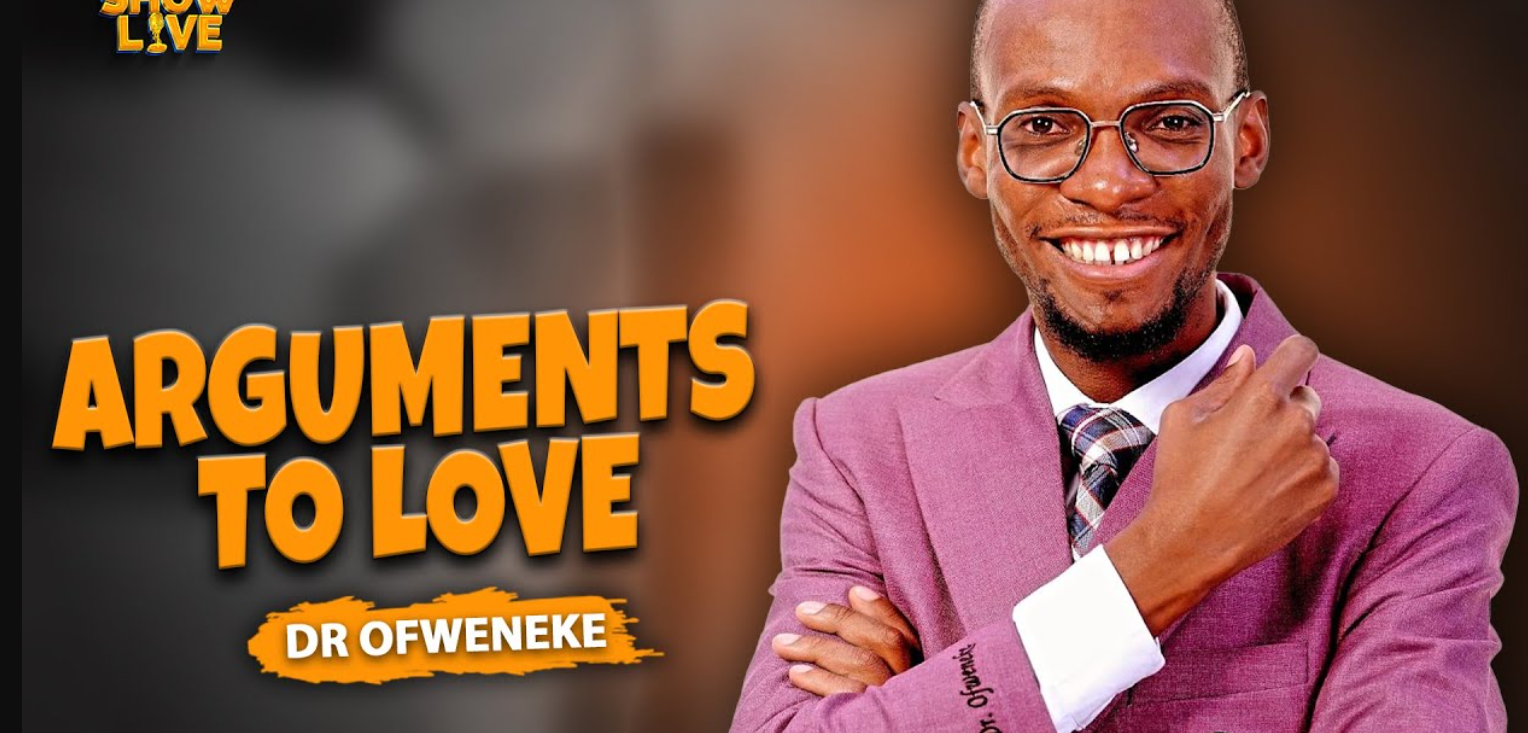
  • Dr. Ofweneke’s Relationship Controversies: When Public Relationship Advice Collides With Private Reality

    Dr. Ofweneke’s Relationship Controversies: When Public Relationship Advice Collides With Private Reality

    Why the Dr. Ofweneke Story Keeps Capturing Public Attention

    Every few years, Kenya’s entertainment industry produces a relationship story that refuses to disappear. Not because of a dramatic breakup. Not because of a wedding. And not even because of social media screenshots.

    The recent conversations surrounding Dr. Ofweneke have remained in the spotlight because they touch on something much bigger than celebrity relationships: the gap between public image and private behavior.

    For years, Dr. Ofweneke has positioned himself as a man who learned from his mistakes. His personal transformation story has become part of his brand. Through radio, television, motivational talks, and relationship discussions, he has often spoken about growth, accountability, marriage, and becoming a better man.

    But whenever new allegations emerge, many people find themselves asking the same question:

    Can someone become a relationship advisor while their own relationship history remains controversial?

    That question is far more interesting than any wedding video.

    The Real Story Isn’t About Marriage—It’s About Patterns

    One thing that stands out when looking at the various public discussions surrounding Dr. Ofweneke is that every relationship seems to come with a different explanation for why things went wrong.

    One relationship reportedly ended because two people were incompatible.

    Another was later described as being damaged by alcohol, nightlife, and emotional absence.

    More recent allegations have focused on trust, communication, and questions about overlapping relationships.

    Individually, none of these explanations are unusual.

    Relationships fail every day.

    People change.

    People make mistakes.

    Life becomes messy.

    What makes the story fascinating is that the explanations keep changing while public scrutiny keeps returning.

    That naturally leads people to wonder whether the issue was ever a single event—or whether the public is witnessing a recurring pattern.

    And if there is one thing the internet loves more than a scandal, it is a pattern.

    Why Relationship Experts Are Held to a Higher Standard

    There is an unwritten rule that comes with becoming a public relationship commentator.

    The moment you start teaching people how to love, people start examining how you love.

    The moment you begin advising couples on marriage, audiences become curious about your own marriage.

    And the moment you become known for relationship wisdom, your personal relationships stop being entirely private.

    That doesn’t mean relationship coaches must be perfect.

    In fact, many of the best lessons come from people who have failed.

    The challenge comes when public advice and private actions appear to move in opposite directions.

    People can forgive mistakes.

    What they struggle to forgive is perceived hypocrisy.

    That’s why the Dr. Ofweneke discussions continue generating engagement long after the headlines fade.

    The Complicated Business of Reinvention

    One of the most interesting aspects of the story is the idea of personal reinvention.

    Modern celebrity culture rewards reinvention.

    People love comeback stories.

    They love hearing about someone who overcame addiction, fixed their life, found faith, and became a better person.

    Dr. Ofweneke’s public journey has often been presented through that lens.

    Former comedian.

    Former drinker.

    Ordained pastor.

    Relationship mentor.

    Family man.

    The narrative is powerful because people naturally want to believe that transformation is possible.

    The problem is that reinvention only works when audiences believe the transformation is genuine.

    The moment new controversies emerge, people begin revisiting old chapters and asking whether growth actually happened or whether the public simply received a better version of the story.

    Faith, Relationships, and Public Expectations

    Another reason this story resonates so strongly is because faith has become part of the discussion.

    Whenever spirituality enters relationship conversations, public expectations immediately become higher.

    People generally expect religious leaders, pastors, or public Christians to model the values they promote.

    That expectation is not always fair.

    Religious people are still human.

    Pastors still make mistakes.

    Believers still experience relationship problems.

    However, when faith becomes part of a person’s public identity, audiences naturally examine whether actions align with words.

    This is why recent allegations involving prayer, fasting, and spiritual conversations generated so much discussion online.

    For many observers, the issue wasn’t simply about a relationship.

    It was about trust.

    Why Social Media Makes Every Relationship Public

    Twenty years ago, most celebrity relationship drama would have stayed private.

    Today, everyone has screenshots.

    Everyone has a platform.

    Everyone has an audience.

    A disagreement that once involved two people can now involve two million.

    The Dr. Ofweneke story is also a reminder that modern relationships exist in a completely different environment.

    A relationship can feel private until one Instagram post changes everything.

    One TikTok video can rewrite public perception overnight.

    One viral screenshot can dominate online discussions for weeks.

    Social media has transformed relationships into public case studies, whether people like it or not.

    The Bigger Lesson Most People Are Missing

    While many people focus on individual allegations, there is a broader lesson hidden underneath all the noise.

    The real takeaway isn’t about Dr. Ofweneke alone.

    It is about how easily society confuses communication skills with character.

    Someone can be extremely articulate.

    Someone can speak confidently about love.

    Someone can deliver excellent relationship advice.

    None of those qualities automatically prove they have mastered relationships themselves.

    Sometimes the people who explain relationships best are still trying to figure them out.

    That doesn’t necessarily make them frauds.

    It simply makes them human.

    The challenge is remembering the difference.

    The ongoing discussions surrounding Dr. Ofweneke are ultimately about more than celebrity gossip. They reflect society’s fascination with personal growth, public accountability, faith, relationships, and authenticity.

    Whether the latest allegations prove significant in the long run remains to be seen. What is already clear, however, is that the story has evolved beyond one man and his relationships.

    It has become a conversation about credibility.

    Because in the age of social media, people are no longer interested only in what public figures say.

    They are increasingly interested in whether their lives tell the same story.
  • Dr. Ofweneke Wedding Controversy Explained: The Joan Wanjiku Claims, Spiritual Branding, and Kenya’s Obsession With Celebrity Relationships

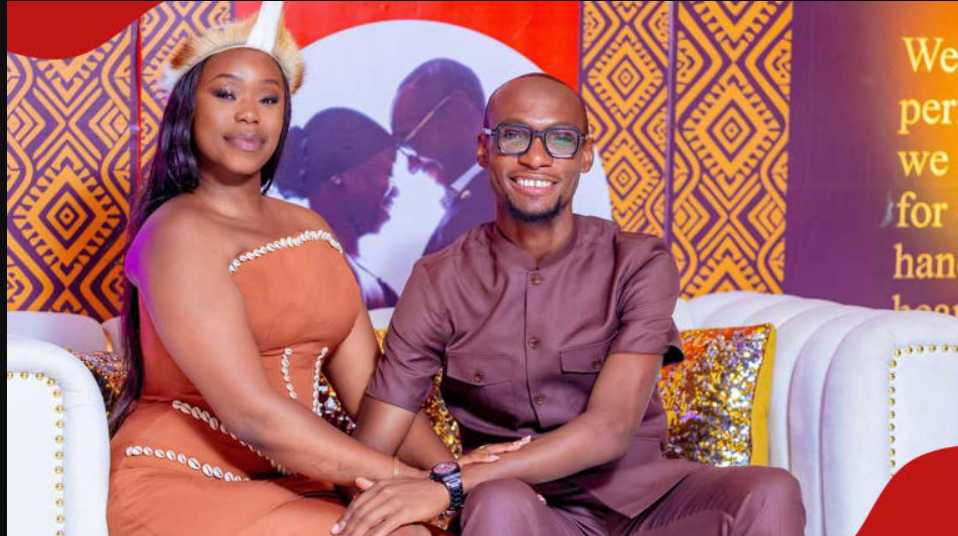
    Dr. Ofweneke Wedding Controversy Explained: The Joan Wanjiku Claims, Spiritual Branding, and Kenya’s Obsession With Celebrity Relationships

    The internet never forgets — and in Kenya’s entertainment industry, it also never sleeps.

    Just weeks after comedian and MC Dr. Ofweneke celebrated his glamorous wedding to Diana Ingosi in Kakamega County, social media exploded with allegations from a woman identified as Joan Wanjiku, who claimed she had allegedly been in a relationship with him even before the wedding.

    Suddenly, what looked like a beautiful celebrity love story turned into one of the most discussed relationship controversies in Kenya online.

    But beyond the gossip, the memes, and TikTok reactions, this entire saga says something deeper about modern celebrity culture, public spirituality, emotional branding, and the strange way social media turns private heartbreak into public entertainment.


    The Perfect Celebrity Wedding Image

    For a moment, Dr. Ofweneke’s wedding looked like the ideal Kenyan celebrity fairytale.

    Beautiful traditional outfits. Elegant décor. Celebrity guests. Viral videos. Public admiration.

    The kind of wedding that makes people repost clips with captions like:

    “Love still exists.”

    And honestly, the timing was perfect too. Kenyan audiences love redemption stories, soft-life romance, and celebrity couples who appear mature and spiritually grounded.

    What made the relationship even more attractive to fans was how private it seemed. Unlike many public couples who constantly livestream their love lives online, Dr. Ofweneke and Diana Ingosi appeared selective about what they shared publicly.

    That mystery created curiosity.

    And curiosity creates engagement.

    In today’s internet culture, privacy itself has become branding.


    “Functional Spirituality” and the Public Image of Relationships

    One thing that stood out before the wedding was Dr. Ofweneke’s emphasis on spirituality.

    He spoke about prayer, fasting, mentorship, and what he described as “functional spirituality” in marriage preparation.

    Now, to be fair, there is absolutely nothing wrong with couples building relationships around faith. Many successful marriages genuinely do.

    But celebrity spirituality creates an interesting dynamic online.

    The moment public figures present their relationships as deeply spiritual or “God-ordained,” audiences unconsciously raise the standard higher than normal.

    People stop seeing the couple as ordinary human beings.

    They become symbols.

    And symbols are dangerous things to become because once cracks appear, the public reacts emotionally.

    That is exactly why the backlash became so intense after Joan Wanjiku’s allegations surfaced.

    For many Kenyans online, the issue was not just alleged infidelity.

    It was the contrast.

    Prayer and controversy.

    Fasting and secret relationship claims.

    Spiritual mentorship and online exposés.

    The internet loves contradictions almost as much as it loves gossip.


    Joan Wanjiku’s Claims Changed the Entire Narrative

    The biggest shock in this story was not even the allegations themselves.

    It was the timing.

    According to Joan Wanjiku, she allegedly remained involved with Dr. Ofweneke up to the day of the wedding itself.

    Her claim that she was told he was “fasting” on May 9 before later discovering he was actually getting married instantly became social media material.

    And honestly, if this were a Netflix series, people would probably complain that the script sounds unrealistic.

    But reality often writes stranger stories than fiction.

    The internet immediately did what it always does best:

    Turn pain into memes.

    Within hours, TikTok, Facebook, and X users were already joking about “fasting for marriage” and creating relationship warning posts.

    That is the strange thing about online culture today.

    Somebody’s emotional confusion becomes entertainment for millions of strangers scrolling during lunch break.


    Why Kenyans Are So Invested in Celebrity Relationship Drama

    There is a reason stories like this trend so aggressively in Kenya.

    Celebrity relationships are no longer just relationships.

    They are content ecosystems.

    People follow celebrity couples the same way others follow TV series. Fans become emotionally attached to narratives they helped build online.

    When the relationship appears healthy, people celebrate.

    When drama appears, audiences investigate like detectives.

    Every old interview suddenly becomes “evidence.”

    Every quote becomes suspicious.

    Every TikTok live turns into a courtroom.

    That resurfaced clip where Dr. Ofweneke discussed female friends secretly wanting their friend’s boyfriend? The internet immediately connected it to Joan’s allegations.

    Maybe unfairly.

    Maybe correctly.

    But once social media starts connecting dots, logic usually takes a back seat while entertainment drives the conversation.


    The Pressure of Performing the “Perfect Relationship” Online

    One underrated aspect of this controversy is how exhausting public relationships can become.

    Modern celebrity couples are expected to constantly perform happiness online.

    Not just happiness.

    Perfect happiness.

    Perfect communication.

    Perfect spirituality.

    Perfect loyalty.

    Perfect aesthetics.

    But real human relationships are rarely that polished.

    The more celebrities brand their relationships as flawless, the more shocking scandals feel when reality eventually interrupts the fantasy.

    And perhaps that is the deeper lesson hidden inside this entire situation:

    The internet only sees edited moments.

    Not full realities.


    Social Media Has Turned Romance Into Public Property

    A generation ago, relationship drama stayed within families and close friends.

    Today, one TikTok video can transform private conflict into national discussion.

    And once the internet gets involved, the situation no longer belongs to the people directly affected.

    Everybody becomes a commentator.

    Some defend.

    Some attack.

    Some create conspiracy theories.

    Others simply enjoy the chaos with popcorn.

    That is why modern celebrity relationships are incredibly difficult to maintain. You are not only managing emotions anymore.

    You are managing algorithms too.


    Could the Marriage Survive the Controversy?

    That is the question many people keep asking online.

    Truthfully, nobody outside the relationship knows.

    Internet audiences often assume they fully understand celebrity relationships based on fragments posted online. But public narratives are rarely complete.

    Relationships are complicated.

    People are complicated.

    And social media usually amplifies emotions before facts fully settle.

    Still, one thing is undeniable: the controversy has already changed how many people view the marriage.

    Whether fair or unfair, perception matters heavily in celebrity culture.


    The Dr. Ofweneke and Joan Wanjiku controversy is bigger than celebrity gossip.

    It reflects modern Kenyan internet culture itself — where spirituality, relationships, image, entertainment, and social media all collide in one giant public arena.

    One moment you are watching wedding highlights.

    The next moment, TikTok detectives are analyzing timelines like criminal investigators.

    And somewhere inside all the jokes and viral reactions is a reminder many people forget:

    Behind every trending story are real human beings dealing with real emotions.

    The internet moves on quickly.

    But the people involved still have to live with the consequences long after the hashtags disappear.


  • Nadia Mukami and Arrow Bwoy Breakup Explained: Fame, Clout, Love, and the Hidden Cost of Public Relationships

    Nadia Mukami and Arrow Bwoy Breakup Explained: Fame, Clout, Love, and the Hidden Cost of Public Relationships

    The internet loves celebrity couples — especially the ones that look perfect on Instagram, drop hit songs together, and constantly trend online. But behind the filters, matching outfits, and viral interviews, real relationships can quietly collapse under the pressure of public attention.

    That is exactly why the alleged breakup between Kenyan music stars Nadia Mukami and Arrow Bwoy has become one of the most discussed entertainment stories in Kenya.

    For years, they sold fans a dream: two successful artists building a family, building brands, and dominating the music scene together. But somewhere between hit songs, interviews, social media pressure, and public “clout,” the relationship reportedly started falling apart long before fans realized it.

    And honestly? Maybe that was always the danger.


    Nadia Mukami and Arrow Bwoy Were Never Just a Couple

    One thing many people are now realizing is that Nadia Mukami and Arrow Bwoy were not operating like a normal celebrity relationship. They were operating like a brand.

    That distinction matters.

    From the very beginning, their love story was tied directly to visibility. Their chemistry helped sell music. Their rumors created engagement. Their interviews became content. Even confusion itself became marketing.

    When they released Radio Love back in 2019, fans saw a musical collaboration. But looking back now, that song may have quietly launched one of Kenya’s most commercially valuable celebrity narratives.

    Ironically, the relationship reportedly began with tension instead of romance.

    According to stories shared in interviews over the years, the two allegedly clashed professionally during the Radio Love video shoot. There were disagreements between management teams, ego issues, misunderstandings, and moments where the collaboration almost collapsed entirely.

    Yet somehow, out of that friction came chemistry.

    And maybe that says something about modern celebrity culture: sometimes chaos performs better than peace.


    The Problem With Turning Your Relationship Into Content

    One reason many Kenyans struggled to take their breakup rumors seriously is because the couple themselves trained the public not to.

    At different moments, they denied dating. Then later confirmed it. Then admitted some rumors were intentionally allowed to circulate because they helped promote music.

    That changed everything.

    Once fans realize celebrity drama might double as marketing strategy, emotional trust disappears. Suddenly every cryptic caption feels scheduled. Every interview feels rehearsed. Every breakup starts looking like an album rollout.

    The internet becomes emotionally numb.

    And that is probably the biggest tragedy in influencer culture today: real pain starts looking fake because audiences have been conditioned to consume heartbreak as entertainment.

    By the time Nadia Mukami finally released her emotional 2026 statement about “losing the fight” for her family, some people genuinely did not know whether to sympathize or wait for a new music video announcement.

    That is a very dangerous place for any relationship to reach.


    The Real Issue Was Never Music

    Underneath all the entertainment headlines, the deeper conflict appeared far more personal and serious.

    Children.

    Marriage.

    Religion.

    Polygamy.

    Future expectations.

    These are not small disagreements you solve with matching Instagram photos and couple vacations in Zanzibar.

    In various interviews, Arrow Bwoy openly discussed wanting a larger family and expressed views shaped partly by his Muslim background and upbringing. Nadia Mukami, meanwhile, appeared emotionally exhausted by pregnancy complications, postpartum struggles, and motherhood pressures.

    At some point, the two seemingly stopped arguing about lifestyle and started arguing about identity.

    That changes a relationship completely.

    Because once two people no longer agree on the actual structure of their future, love alone sometimes stops being enough.

    And if we are being honest, many couples ignore this reality early in relationships. Attraction is exciting. Chemistry is fun. But long-term compatibility usually comes down to uncomfortable conversations people avoid at the beginning.

    How many children?

    Marriage expectations?

    Religion?

    Gender roles?

    Monogamy?

    Privacy?

    Public life?

    Those questions eventually arrive whether couples are famous or not.

    The only difference is that celebrities argue about them while millions watch.


    The “Side Chick” Song Was Probably Bigger Than Music

    When Dufla Diligon and Arrow Bwoy released Side Chick, many listeners treated it like ordinary entertainment.

    But context changes everything.

    If reports are accurate, Nadia Mukami allegedly viewed the song as disrespectful and humiliating, especially considering the state of their relationship at the time.

    And honestly, you can understand why.

    Music may be art, but in celebrity relationships, songs often become indirect communication tools. Artists say things in lyrics they would never comfortably say in interviews.

    Sometimes a track is just a track.

    Other times, it is a public subtweet with a beat.

    The problem is that once fans start decoding music as relationship evidence, every release becomes emotionally loaded.

    That pressure alone can destroy communication between couples.


    The Saddest Moment Wasn’t the Breakup Announcement

    Oddly enough, the breakup statement itself was not the moment many fans believed the relationship had ended.

    It was the interview where Nadia Mukami avoided directly speaking about Arrow Bwoy.

    Longtime viewers noticed something had changed in her energy. She sounded careful. Controlled. Detached.

    Then came the now-viral moment where she revealed that the person she contacted most on her phone was her mother — not Arrow Bwoy.

    It was awkward.

    Not dramatic.

    Not explosive.

    Just quietly revealing.

    And sometimes those moments say more than emotional Instagram paragraphs ever can.

    Because people in happy relationships usually speak naturally about each other. When someone suddenly starts sounding like a company spokesperson discussing a business merger, the emotional distance is already visible.


    Kenyan Celebrity Culture Has a Clout Addiction

    One uncomfortable truth this entire saga exposes is how deeply Kenyan entertainment now depends on online attention.

    Modern celebrity culture rewards visibility more than stability.

    If a relationship is peaceful and private, the algorithm gets bored.

    But if there is drama? Confusion? Cryptic captions? Breakup rumors? Interviews? Viral clips?

    Engagement explodes.

    And unfortunately, social media platforms do not care whether attention comes from love, humiliation, or emotional collapse.

    Attention is attention.

    That creates a toxic environment where celebrities can accidentally start performing their lives instead of living them.

    At some point, couples stop asking:
    “Are we okay?”

    And start asking:
    “How does this look online?”

    That shift can quietly destroy intimacy.


    Can Celebrity Relationships Survive Public Clout?

    Of course, not every celebrity relationship fails. Some survive public attention remarkably well.

    But relationships built heavily around branding face a unique problem: eventually the public version of the relationship becomes more important than the private one.

    And once that happens, repairing genuine emotional connection becomes extremely difficult.

    Because now there are millions of spectators emotionally invested in your relationship storyline.

    Fans expect updates.

    Blogs expect drama.

    Algorithms expect content.

    Even silence starts creating headlines.

    That pressure would exhaust almost anyone.


    Whether Nadia Mukami and Arrow Bwoy reconcile or permanently separate, their story already says a lot about modern fame in Kenya.

    This was never just a celebrity breakup.

    It became a case study about social media relationships, influencer culture, emotional branding, and the hidden cost of turning private love into public entertainment.

    Maybe the biggest lesson here is simple: not everything beautiful survives exposure.

    Sometimes relationships grow stronger in privacy, not performance.

    And maybe that is the one thing the internet keeps teaching celebrities over and over again — while nobody listens.


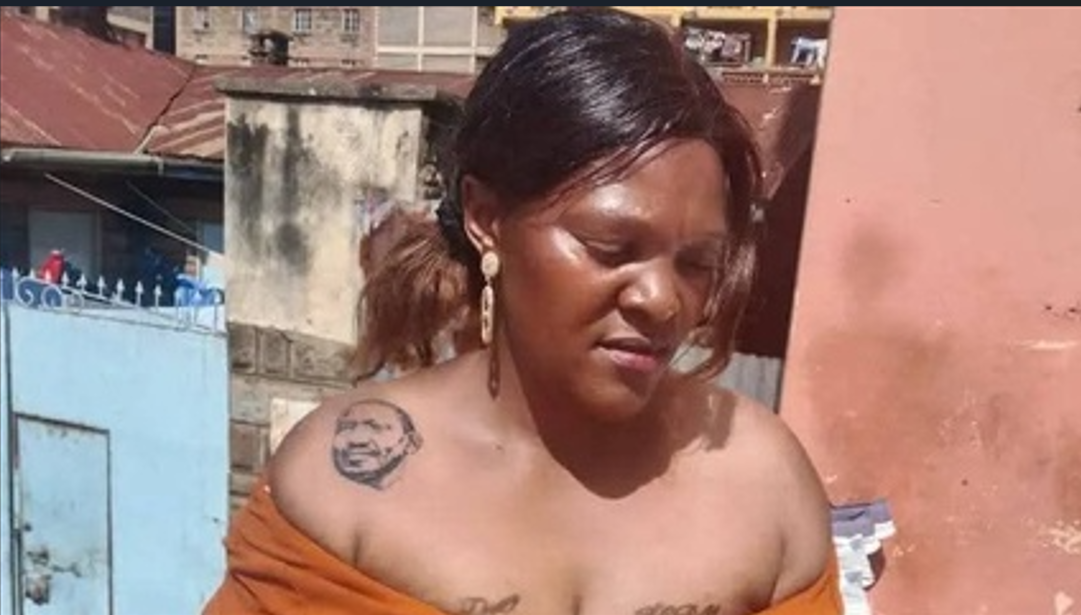
  • Rachel Wandetto Case: Why the Story Behind the Viral William Ruto Tattoo May Be More Complicated Than Kenyans Thought

    Rachel Wandetto Case: Why the Story Behind the Viral William Ruto Tattoo May Be More Complicated Than Kenyans Thought

    The tragic death of gospel artist Rachel Wandetto has become one of the most discussed stories in Kenya in recent days. What initially appeared to be a shocking case of political intolerance connected to her viral tattoo of President William Ruto is now evolving into something far more layered and uncomfortable.

    As investigations continue, the story is slowly shifting away from politics alone and toward questions involving money, personal relationships, public perception, and the dangerous speed at which social media creates narratives before facts fully emerge.

    And honestly, that may be the most revealing part of this entire case.


    How Rachel Wandetto Became a National Conversation Overnight

    Before the attack, Rachel Wandetto was already attracting attention online after publicly tattooing the face of William Ruto on her body alongside a phrase praising the president.

    In Kenya’s current political climate, that was almost guaranteed to go viral.

    Supporters praised her loyalty. Critics mocked the decision. Social media did what it always does: turned a personal choice into a national debate within hours.

    But nobody expected the story to spiral into tragedy.

    According to reports referenced in the original story, Rachel was attacked in Mwiki, Kasarani, by unknown men who allegedly assaulted her and set her on fire. She later died while receiving treatment at Kenyatta National Hospital after suffering severe burns.

    Almost immediately, many Kenyans concluded that her attack was politically motivated.

    And to be fair, it was not difficult to see why people made that connection.


    The Political Intolerance Narrative Was Always Going to Explode Online

    Kenya is currently living through an era where politics no longer stays in rallies or Parliament. Politics has entered TikTok lives, WhatsApp groups, family dinners, YouTube comment sections, and even tattoos apparently.

    So when someone publicly associated with a political figure is attacked, people instinctively interpret the incident through a political lens.

    Several leaders, including Kipchumba Murkomen, Moses Kuria, and Oscar Sudi, condemned the incident strongly. The emotional atmosphere online grew even larger after President Ruto himself publicly mourned Rachel Wandetto.

    At that point, the public narrative had almost completely settled:

    Rachel Wandetto was attacked because of her support for President Ruto.

    Case closed.

    Except… investigations rarely move at the speed of Twitter.


    The Emerging Investigation Is Pointing Somewhere Else

    Now the story appears to be taking a different direction.

    According to details mentioned in the original account, investigators are reportedly exploring the possibility that the attack may have involved financial disagreements and personal conflicts rather than direct political targeting.

    A suspect identified as Josiah Geru, reportedly Rachel’s taxi driver, has allegedly been arrested in connection with the case. Investigators believe the suspect may have assumed Rachel had recently received money from influential people due to her visibility and reported visits to places associated with political power.

    One detail stands out more than anything else: Rachel reportedly told people before her death that the attackers accused her of “eating Ruto’s money alone.”

    That sentence changes the emotional structure of the entire story.

    Suddenly, the conversation moves away from ideology and enters a very human space — jealousy, assumptions, financial desperation, resentment, and perceived access to power.

    And if investigators are correct, then this may not have been a political assassination at all. It may have been a deeply personal conflict wrapped inside political symbolism.


    Social Media Turned a Complex Story Into a Simple One

    One thing this case reveals is how badly people want simple explanations.

    A tattoo. A president. An attack.

    That combination created a perfect viral narrative.

    But real life is usually messier than hashtags.

    Sometimes political symbols become attached to personal disputes. Sometimes public attention distorts investigations before evidence is available. And sometimes online audiences unknowingly build entire emotional conclusions around incomplete information.

    This is not to dismiss concerns about political intolerance in Kenya. Those concerns are real. But this case may also expose another problem: the speed at which emotionally satisfying narratives spread online.

    The internet loves certainty.

    Investigations do not.


    The Dangerous Illusion of “Access to Power”

    Another fascinating layer in this story is the perception of wealth and connections.

    In Kenya, once someone is seen near politicians, government offices, or influential circles, many people immediately assume money is flowing behind the scenes.

    It does not matter whether that assumption is true.

    Visibility itself becomes currency.

    Rachel Wandetto’s viral fame, political association, and public attention may have unintentionally created an image that she had access to financial benefits. If investigators are right, that perception alone may have contributed to the motives behind the attack.

    And honestly, this is not unique to politics.

    Kenyan social media has created an economy where appearing connected can sometimes become dangerous. People project wealth onto influencers, activists, musicians, and viral personalities even when reality may be completely different.

    Sometimes fame creates opportunities.

    Sometimes it creates targets.


    Why the “Love Triangle” Angle Is Capturing Attention

    The mention of a possible romantic conflict has added another layer of public fascination to the case.

    Human beings are naturally drawn toward stories involving relationships, betrayal, jealousy, and emotional conflict. Add politics and viral fame into the mix and suddenly the story becomes irresistible to online audiences.

    But this is also where caution matters.

    Speculation spreads faster than verified facts, especially when emotions are high. Investigators are still piecing together events, and many details remain unclear.

    That has not stopped social media detectives from acting like they graduated from the FBI after watching three crime documentaries on Netflix.

    Still, the possibility of personal conflict changes how people interpret the case. It reminds us that public stories often hide deeply private tensions underneath.


    What the Rachel Wandetto Story Says About Kenya Right Now

    Beyond the headlines, this story reflects several realities about modern Kenya:

    • Politics now shapes public identity in extreme ways
    • Viral fame can quickly become dangerous
    • Social media narratives often outrun investigations
    • Public sympathy can become politicized within hours
    • Perceived wealth creates real-world risks

    Most importantly, the case shows how quickly people turn incomplete information into absolute truth.

    And that should concern everyone.


    The Rachel Wandetto case began as what many believed was a clear story about political intolerance. But as investigations continue, the situation appears far more complicated than the internet initially assumed.

    What may ultimately emerge is not simply a political story, but a cautionary tale about fame, perception, money, emotional conflict, and the dangerous speed of modern public opinion.

    And perhaps that is the uncomfortable truth hiding underneath the headlines:

    Sometimes the loudest narrative is not the most accurate one.

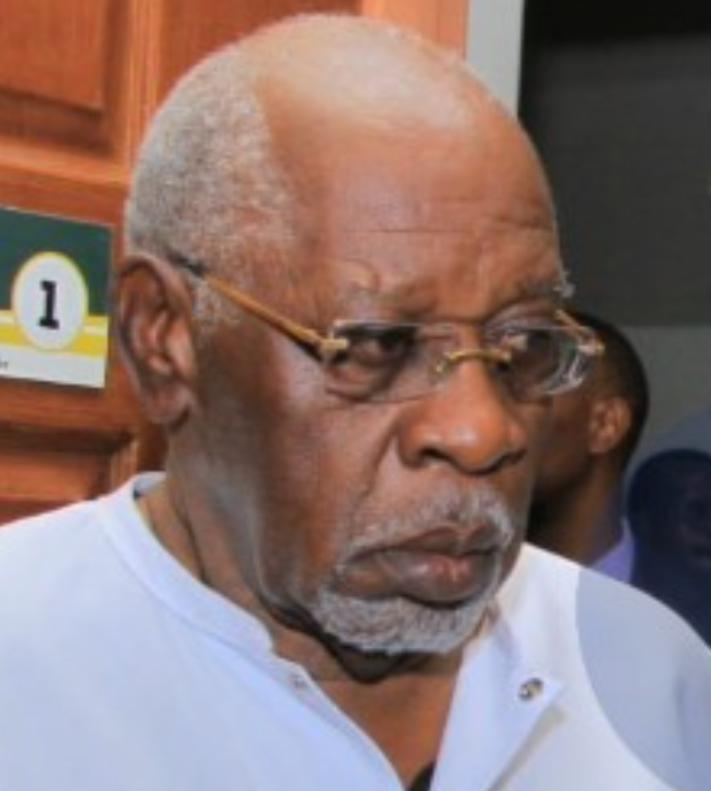
  • Dr. Job Oduor Death Mystery: Boardroom Wars, Beatrice Wangari, and the Questions Kenya Can’t Stop Asking

    Dr. Job Oduor Death Mystery: Boardroom Wars, Beatrice Wangari, and the Questions Kenya Can’t Stop Asking

    The death of Dr. Job Oduor has quickly transformed from a private tragedy into one of Kenya’s most talked-about public controversies. What began as reports of a sudden medical emergency in Kitengela has now evolved into a complicated story involving Nairobi Hospital politics, a reported long-term secret relationship, legal drama, and growing public suspicion.

    As more details continue to emerge, many Kenyans are no longer just asking how Dr. Oduor died — they are asking what kind of pressure he may have been carrying long before his final moments.


    The Death of Dr. Job Oduor Feels Bigger Than One Night in Kitengela

    Sometimes a story becomes too layered to fit inside a simple headline.

    A respected doctor dies. A woman is detained. The DCI launches investigations. Social media detectives wake up. WhatsApp groups become courtrooms. Suddenly, everyone has a theory.

    But beneath all the noise, the story surrounding Dr. Job Oduor feels less like a crime thriller and more like a reflection of how power, stress, secrecy, and public image collide in modern Kenya.

    Because if we are honest, this story stopped being just about death the moment words like boardroom wars, forensic investigations, and 10-year relationship entered the conversation.

    And Kenya loves two things deeply: mystery and influence.


    Nairobi Hospital Boardroom Drama May Have Been the Real Pressure Point

    One thing many people keep overlooking is the timing.

    Before his death, Dr. Oduor was reportedly caught in intense internal battles linked to Nairobi Hospital leadership disputes. Allegations surrounding member registers and governance fights had already dragged his name into public controversy.

    Corporate battles in Kenya are rarely just about paperwork. Behind every “leadership disagreement” is usually ego, alliances, money, influence, and survival.

    That pressure matters.

    When people hear “cardiac arrest,” they often imagine a random medical event. But stress has a way of quietly eating people long before doctors officially pronounce them dead.

    And maybe that is the uncomfortable part of this entire story.

    The public wants poison.

    But what if exhaustion was the real assassin?


    The Beatrice Wangari Angle Changed Everything

    At first, Beatrice Wangari was introduced to the public using the safest phrase possible: business associate.

    Kenyan headlines love respectable wording until court sessions force the truth into daylight.

    Then suddenly, according to the defense, this was not some brief encounter or suspicious meetup. It was allegedly a relationship that had lasted nearly a decade.

    That revelation shifted public perception immediately.

    People became less interested in the medical timeline and more interested in the hidden life of a powerful man.

    And honestly, Kenyan society has always had a complicated relationship with public morality. The same public that acts shocked by secret relationships also consumes those stories faster than election results.

    The lawyer’s famous line —

    “You cannot blame the bee for the sweetness of the honey.”

    — sounded almost poetic, theatrical, and slightly chaotic all at once.

    But it also revealed something deeper: the defense was trying to humanize the relationship before investigators could criminalize it.


    Why Kenyans Still Don’t Fully Believe the “Natural Death” Narrative

    This is where the story becomes fascinating.

    Three pathologists reportedly reached the same conclusion: no poisoning, no physical assault, no evidence of foul play. The official explanation pointed toward cardiac arrest linked to a pre-existing condition.

    Normally, that should settle things.

    But in Kenya, public trust in institutions is fragile.

    When authorities continue investigations after medical experts agree on a cause of death, people naturally begin asking questions.

    Why continue searching the house?

    Why examine utensils and drinks?

    Why continue detaining Beatrice Wangari?

    The longer investigations continue, the more the public starts feeling like there must be a hidden layer nobody is explaining openly.

    And once Kenyans sense hidden layers, conspiracy theories multiply faster than Nairobi traffic on a rainy Friday evening.


    The Internet Turned This Into More Than a Criminal Investigation

    Social media changed everything about modern scandals.

    Years ago, stories like this would remain inside courtrooms and newspaper columns. Today, TikTok creators, YouTubers, Facebook analysts, and anonymous X accounts all compete to become detectives.

    Every detail becomes content.

    The age discrepancy between 78 and 83 became content.

    The Kitengela house became content.

    The alleged relationship became content.

    Even the phrase “sweetness of the honey” became meme material within hours.

    At some point, real human grief gets buried beneath digital entertainment.

    And that is the strange thing about online culture: the internet often treats unresolved pain like a Netflix series waiting for the next episode.


    Was Beatrice Wangari a Suspect — or Simply the Last Person With Answers?

    This may be the biggest unanswered question.

    From the defense perspective, Wangari appears to be a woman caught in a tragic situation involving someone she cared about. According to reports, she allegedly called for help immediately after Dr. Oduor collapsed.

    But from an investigative perspective, authorities may believe the final hours before his death still contain unanswered details.

    The challenge is that public opinion rarely waits for facts.

    People choose sides emotionally long before investigations end.

    Some already see her as unfairly targeted.

    Others believe investigators know more than they are revealing publicly.

    And somewhere in between lies the truth — probably less dramatic than social media imagines, but more complicated than official statements admit.


    Why This Story Resonates So Deeply in Kenya

    The reason this story exploded is because it touches several realities many Kenyans recognize instantly:

    • Power struggles behind respected institutions
    • Hidden relationships among influential people
    • Distrust toward investigations
    • Public fascination with scandal
    • The emotional toll of pressure and reputation

    In many ways, this case became symbolic of how private lives collapse publicly once power enters the equation.

    One moment someone is a respected medical figure.

    The next moment, strangers online are analyzing their final movements hour by hour.

    That transformation is brutal.


    Final Thoughts on the Dr. Job Oduor Story

    At the center of all this noise is still one undeniable reality: a man lost his life, families were affected, and a deeply personal situation became national conversation material overnight.

    Whether the investigation eventually closes quietly or uncovers new information, the public fascination around Dr. Job Oduor’s death reveals something important about modern Kenya — people no longer trust surface-level explanations.

    They want context.

    They want motives.

    They want the hidden story behind the official story.

    And until every loose end feels resolved, this case will likely remain one of the country’s most discussed mysteries