The internet never forgets — and in Kenya’s entertainment industry, it also never sleeps.
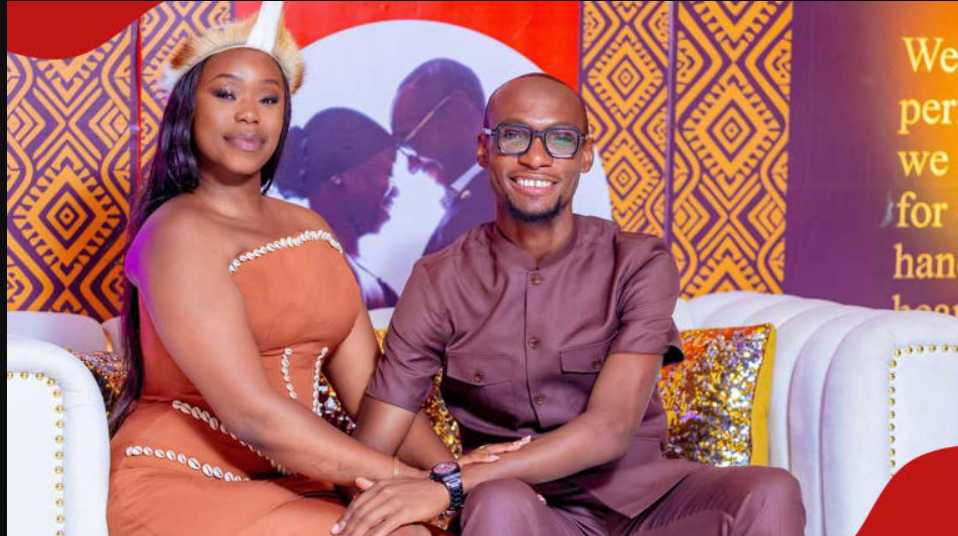
Just weeks after comedian and MC Dr. Ofweneke celebrated his glamorous wedding to Diana Ingosi in Kakamega County, social media exploded with allegations from a woman identified as Joan Wanjiku, who claimed she had allegedly been in a relationship with him even before the wedding.
Suddenly, what looked like a beautiful celebrity love story turned into one of the most discussed relationship controversies in Kenya online.
But beyond the gossip, the memes, and TikTok reactions, this entire saga says something deeper about modern celebrity culture, public spirituality, emotional branding, and the strange way social media turns private heartbreak into public entertainment.
The Perfect Celebrity Wedding Image
For a moment, Dr. Ofweneke’s wedding looked like the ideal Kenyan celebrity fairytale.
Beautiful traditional outfits. Elegant décor. Celebrity guests. Viral videos. Public admiration.
The kind of wedding that makes people repost clips with captions like:
“Love still exists.”
And honestly, the timing was perfect too. Kenyan audiences love redemption stories, soft-life romance, and celebrity couples who appear mature and spiritually grounded.
What made the relationship even more attractive to fans was how private it seemed. Unlike many public couples who constantly livestream their love lives online, Dr. Ofweneke and Diana Ingosi appeared selective about what they shared publicly.
That mystery created curiosity.
And curiosity creates engagement.
In today’s internet culture, privacy itself has become branding.
“Functional Spirituality” and the Public Image of Relationships
One thing that stood out before the wedding was Dr. Ofweneke’s emphasis on spirituality.
He spoke about prayer, fasting, mentorship, and what he described as “functional spirituality” in marriage preparation.
Now, to be fair, there is absolutely nothing wrong with couples building relationships around faith. Many successful marriages genuinely do.
But celebrity spirituality creates an interesting dynamic online.
The moment public figures present their relationships as deeply spiritual or “God-ordained,” audiences unconsciously raise the standard higher than normal.
People stop seeing the couple as ordinary human beings.
They become symbols.
And symbols are dangerous things to become because once cracks appear, the public reacts emotionally.
That is exactly why the backlash became so intense after Joan Wanjiku’s allegations surfaced.
For many Kenyans online, the issue was not just alleged infidelity.
It was the contrast.
Prayer and controversy.
Fasting and secret relationship claims.
Spiritual mentorship and online exposés.
The internet loves contradictions almost as much as it loves gossip.
Joan Wanjiku’s Claims Changed the Entire Narrative
The biggest shock in this story was not even the allegations themselves.
It was the timing.
According to Joan Wanjiku, she allegedly remained involved with Dr. Ofweneke up to the day of the wedding itself.
Her claim that she was told he was “fasting” on May 9 before later discovering he was actually getting married instantly became social media material.
And honestly, if this were a Netflix series, people would probably complain that the script sounds unrealistic.
But reality often writes stranger stories than fiction.
The internet immediately did what it always does best:
Turn pain into memes.
Within hours, TikTok, Facebook, and X users were already joking about “fasting for marriage” and creating relationship warning posts.
That is the strange thing about online culture today.
Somebody’s emotional confusion becomes entertainment for millions of strangers scrolling during lunch break.
Why Kenyans Are So Invested in Celebrity Relationship Drama
There is a reason stories like this trend so aggressively in Kenya.
Celebrity relationships are no longer just relationships.
They are content ecosystems.
People follow celebrity couples the same way others follow TV series. Fans become emotionally attached to narratives they helped build online.
When the relationship appears healthy, people celebrate.
When drama appears, audiences investigate like detectives.
Every old interview suddenly becomes “evidence.”
Every quote becomes suspicious.
Every TikTok live turns into a courtroom.
That resurfaced clip where Dr. Ofweneke discussed female friends secretly wanting their friend’s boyfriend? The internet immediately connected it to Joan’s allegations.
Maybe unfairly.
Maybe correctly.
But once social media starts connecting dots, logic usually takes a back seat while entertainment drives the conversation.
The Pressure of Performing the “Perfect Relationship” Online
One underrated aspect of this controversy is how exhausting public relationships can become.
Modern celebrity couples are expected to constantly perform happiness online.
Not just happiness.
Perfect happiness.
Perfect communication.
Perfect spirituality.
Perfect loyalty.
Perfect aesthetics.
But real human relationships are rarely that polished.
The more celebrities brand their relationships as flawless, the more shocking scandals feel when reality eventually interrupts the fantasy.
And perhaps that is the deeper lesson hidden inside this entire situation:
The internet only sees edited moments.
Not full realities.
Social Media Has Turned Romance Into Public Property
A generation ago, relationship drama stayed within families and close friends.
Today, one TikTok video can transform private conflict into national discussion.
And once the internet gets involved, the situation no longer belongs to the people directly affected.
Everybody becomes a commentator.
Some defend.
Some attack.
Some create conspiracy theories.
Others simply enjoy the chaos with popcorn.
That is why modern celebrity relationships are incredibly difficult to maintain. You are not only managing emotions anymore.
You are managing algorithms too.
Could the Marriage Survive the Controversy?
That is the question many people keep asking online.
Truthfully, nobody outside the relationship knows.
Internet audiences often assume they fully understand celebrity relationships based on fragments posted online. But public narratives are rarely complete.
Relationships are complicated.
People are complicated.
And social media usually amplifies emotions before facts fully settle.
Still, one thing is undeniable: the controversy has already changed how many people view the marriage.
Whether fair or unfair, perception matters heavily in celebrity culture.
The Dr. Ofweneke and Joan Wanjiku controversy is bigger than celebrity gossip.
It reflects modern Kenyan internet culture itself — where spirituality, relationships, image, entertainment, and social media all collide in one giant public arena.
One moment you are watching wedding highlights.
The next moment, TikTok detectives are analyzing timelines like criminal investigators.
And somewhere inside all the jokes and viral reactions is a reminder many people forget:
Behind every trending story are real human beings dealing with real emotions.
The internet moves on quickly.
But the people involved still have to live with the consequences long after the hashtags disappear.