Tag: Kenya trending news

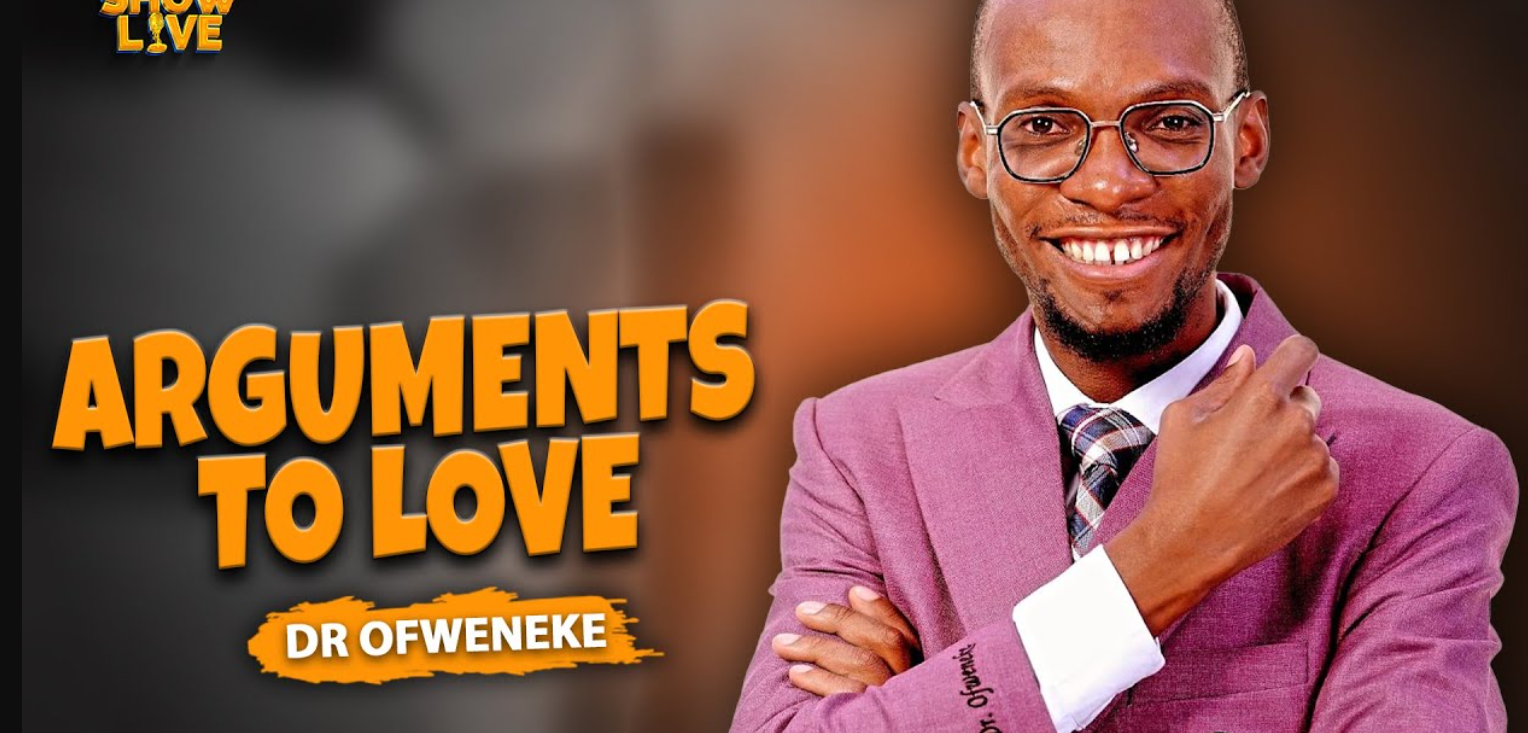
  • Dr. Ofweneke’s Relationship Controversies: When Public Relationship Advice Collides With Private Reality

    Dr. Ofweneke’s Relationship Controversies: When Public Relationship Advice Collides With Private Reality

    Why the Dr. Ofweneke Story Keeps Capturing Public Attention

    Every few years, Kenya’s entertainment industry produces a relationship story that refuses to disappear. Not because of a dramatic breakup. Not because of a wedding. And not even because of social media screenshots.

    The recent conversations surrounding Dr. Ofweneke have remained in the spotlight because they touch on something much bigger than celebrity relationships: the gap between public image and private behavior.

    For years, Dr. Ofweneke has positioned himself as a man who learned from his mistakes. His personal transformation story has become part of his brand. Through radio, television, motivational talks, and relationship discussions, he has often spoken about growth, accountability, marriage, and becoming a better man.

    But whenever new allegations emerge, many people find themselves asking the same question:

    Can someone become a relationship advisor while their own relationship history remains controversial?

    That question is far more interesting than any wedding video.

    The Real Story Isn’t About Marriage—It’s About Patterns

    One thing that stands out when looking at the various public discussions surrounding Dr. Ofweneke is that every relationship seems to come with a different explanation for why things went wrong.

    One relationship reportedly ended because two people were incompatible.

    Another was later described as being damaged by alcohol, nightlife, and emotional absence.

    More recent allegations have focused on trust, communication, and questions about overlapping relationships.

    Individually, none of these explanations are unusual.

    Relationships fail every day.

    People change.

    People make mistakes.

    Life becomes messy.

    What makes the story fascinating is that the explanations keep changing while public scrutiny keeps returning.

    That naturally leads people to wonder whether the issue was ever a single event—or whether the public is witnessing a recurring pattern.

    And if there is one thing the internet loves more than a scandal, it is a pattern.

    Why Relationship Experts Are Held to a Higher Standard

    There is an unwritten rule that comes with becoming a public relationship commentator.

    The moment you start teaching people how to love, people start examining how you love.

    The moment you begin advising couples on marriage, audiences become curious about your own marriage.

    And the moment you become known for relationship wisdom, your personal relationships stop being entirely private.

    That doesn’t mean relationship coaches must be perfect.

    In fact, many of the best lessons come from people who have failed.

    The challenge comes when public advice and private actions appear to move in opposite directions.

    People can forgive mistakes.

    What they struggle to forgive is perceived hypocrisy.

    That’s why the Dr. Ofweneke discussions continue generating engagement long after the headlines fade.

    The Complicated Business of Reinvention

    One of the most interesting aspects of the story is the idea of personal reinvention.

    Modern celebrity culture rewards reinvention.

    People love comeback stories.

    They love hearing about someone who overcame addiction, fixed their life, found faith, and became a better person.

    Dr. Ofweneke’s public journey has often been presented through that lens.

    Former comedian.

    Former drinker.

    Ordained pastor.

    Relationship mentor.

    Family man.

    The narrative is powerful because people naturally want to believe that transformation is possible.

    The problem is that reinvention only works when audiences believe the transformation is genuine.

    The moment new controversies emerge, people begin revisiting old chapters and asking whether growth actually happened or whether the public simply received a better version of the story.

    Faith, Relationships, and Public Expectations

    Another reason this story resonates so strongly is because faith has become part of the discussion.

    Whenever spirituality enters relationship conversations, public expectations immediately become higher.

    People generally expect religious leaders, pastors, or public Christians to model the values they promote.

    That expectation is not always fair.

    Religious people are still human.

    Pastors still make mistakes.

    Believers still experience relationship problems.

    However, when faith becomes part of a person’s public identity, audiences naturally examine whether actions align with words.

    This is why recent allegations involving prayer, fasting, and spiritual conversations generated so much discussion online.

    For many observers, the issue wasn’t simply about a relationship.

    It was about trust.

    Why Social Media Makes Every Relationship Public

    Twenty years ago, most celebrity relationship drama would have stayed private.

    Today, everyone has screenshots.

    Everyone has a platform.

    Everyone has an audience.

    A disagreement that once involved two people can now involve two million.

    The Dr. Ofweneke story is also a reminder that modern relationships exist in a completely different environment.

    A relationship can feel private until one Instagram post changes everything.

    One TikTok video can rewrite public perception overnight.

    One viral screenshot can dominate online discussions for weeks.

    Social media has transformed relationships into public case studies, whether people like it or not.

    The Bigger Lesson Most People Are Missing

    While many people focus on individual allegations, there is a broader lesson hidden underneath all the noise.

    The real takeaway isn’t about Dr. Ofweneke alone.

    It is about how easily society confuses communication skills with character.

    Someone can be extremely articulate.

    Someone can speak confidently about love.

    Someone can deliver excellent relationship advice.

    None of those qualities automatically prove they have mastered relationships themselves.

    Sometimes the people who explain relationships best are still trying to figure them out.

    That doesn’t necessarily make them frauds.

    It simply makes them human.

    The challenge is remembering the difference.

    The ongoing discussions surrounding Dr. Ofweneke are ultimately about more than celebrity gossip. They reflect society’s fascination with personal growth, public accountability, faith, relationships, and authenticity.

    Whether the latest allegations prove significant in the long run remains to be seen. What is already clear, however, is that the story has evolved beyond one man and his relationships.

    It has become a conversation about credibility.

    Because in the age of social media, people are no longer interested only in what public figures say.

    They are increasingly interested in whether their lives tell the same story.
  • Rachel Wandetto Case: Why the Story Behind the Viral William Ruto Tattoo May Be More Complicated Than Kenyans Thought

    Rachel Wandetto Case: Why the Story Behind the Viral William Ruto Tattoo May Be More Complicated Than Kenyans Thought

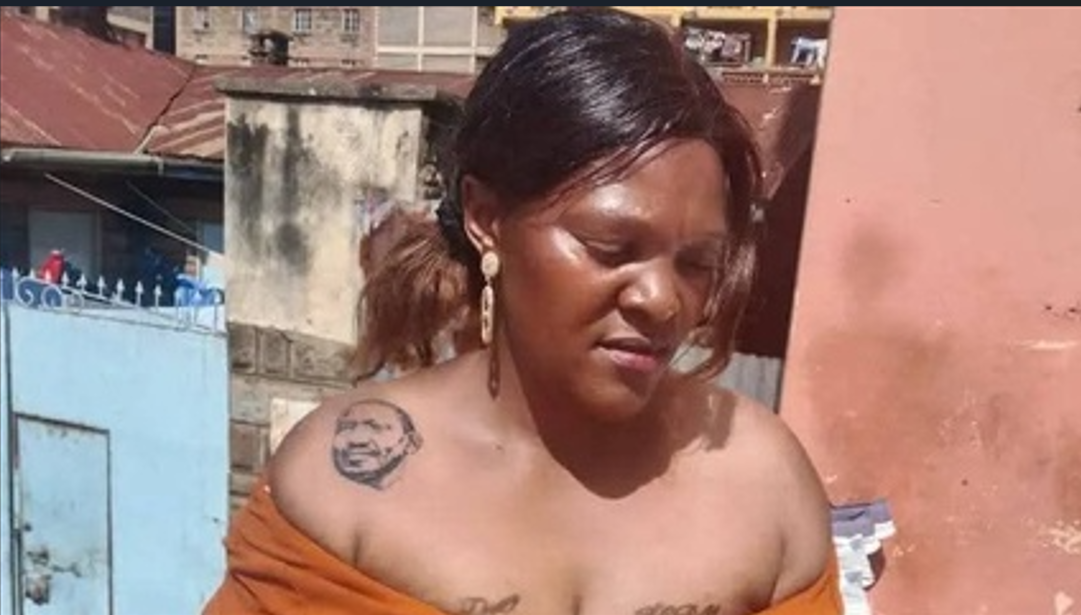
    The tragic death of gospel artist Rachel Wandetto has become one of the most discussed stories in Kenya in recent days. What initially appeared to be a shocking case of political intolerance connected to her viral tattoo of President William Ruto is now evolving into something far more layered and uncomfortable.

    As investigations continue, the story is slowly shifting away from politics alone and toward questions involving money, personal relationships, public perception, and the dangerous speed at which social media creates narratives before facts fully emerge.

    And honestly, that may be the most revealing part of this entire case.


    How Rachel Wandetto Became a National Conversation Overnight

    Before the attack, Rachel Wandetto was already attracting attention online after publicly tattooing the face of William Ruto on her body alongside a phrase praising the president.

    In Kenya’s current political climate, that was almost guaranteed to go viral.

    Supporters praised her loyalty. Critics mocked the decision. Social media did what it always does: turned a personal choice into a national debate within hours.

    But nobody expected the story to spiral into tragedy.

    According to reports referenced in the original story, Rachel was attacked in Mwiki, Kasarani, by unknown men who allegedly assaulted her and set her on fire. She later died while receiving treatment at Kenyatta National Hospital after suffering severe burns.

    Almost immediately, many Kenyans concluded that her attack was politically motivated.

    And to be fair, it was not difficult to see why people made that connection.


    The Political Intolerance Narrative Was Always Going to Explode Online

    Kenya is currently living through an era where politics no longer stays in rallies or Parliament. Politics has entered TikTok lives, WhatsApp groups, family dinners, YouTube comment sections, and even tattoos apparently.

    So when someone publicly associated with a political figure is attacked, people instinctively interpret the incident through a political lens.

    Several leaders, including Kipchumba Murkomen, Moses Kuria, and Oscar Sudi, condemned the incident strongly. The emotional atmosphere online grew even larger after President Ruto himself publicly mourned Rachel Wandetto.

    At that point, the public narrative had almost completely settled:

    Rachel Wandetto was attacked because of her support for President Ruto.

    Case closed.

    Except… investigations rarely move at the speed of Twitter.


    The Emerging Investigation Is Pointing Somewhere Else

    Now the story appears to be taking a different direction.

    According to details mentioned in the original account, investigators are reportedly exploring the possibility that the attack may have involved financial disagreements and personal conflicts rather than direct political targeting.

    A suspect identified as Josiah Geru, reportedly Rachel’s taxi driver, has allegedly been arrested in connection with the case. Investigators believe the suspect may have assumed Rachel had recently received money from influential people due to her visibility and reported visits to places associated with political power.

    One detail stands out more than anything else: Rachel reportedly told people before her death that the attackers accused her of “eating Ruto’s money alone.”

    That sentence changes the emotional structure of the entire story.

    Suddenly, the conversation moves away from ideology and enters a very human space — jealousy, assumptions, financial desperation, resentment, and perceived access to power.

    And if investigators are correct, then this may not have been a political assassination at all. It may have been a deeply personal conflict wrapped inside political symbolism.


    Social Media Turned a Complex Story Into a Simple One

    One thing this case reveals is how badly people want simple explanations.

    A tattoo. A president. An attack.

    That combination created a perfect viral narrative.

    But real life is usually messier than hashtags.

    Sometimes political symbols become attached to personal disputes. Sometimes public attention distorts investigations before evidence is available. And sometimes online audiences unknowingly build entire emotional conclusions around incomplete information.

    This is not to dismiss concerns about political intolerance in Kenya. Those concerns are real. But this case may also expose another problem: the speed at which emotionally satisfying narratives spread online.

    The internet loves certainty.

    Investigations do not.


    The Dangerous Illusion of “Access to Power”

    Another fascinating layer in this story is the perception of wealth and connections.

    In Kenya, once someone is seen near politicians, government offices, or influential circles, many people immediately assume money is flowing behind the scenes.

    It does not matter whether that assumption is true.

    Visibility itself becomes currency.

    Rachel Wandetto’s viral fame, political association, and public attention may have unintentionally created an image that she had access to financial benefits. If investigators are right, that perception alone may have contributed to the motives behind the attack.

    And honestly, this is not unique to politics.

    Kenyan social media has created an economy where appearing connected can sometimes become dangerous. People project wealth onto influencers, activists, musicians, and viral personalities even when reality may be completely different.

    Sometimes fame creates opportunities.

    Sometimes it creates targets.


    Why the “Love Triangle” Angle Is Capturing Attention

    The mention of a possible romantic conflict has added another layer of public fascination to the case.

    Human beings are naturally drawn toward stories involving relationships, betrayal, jealousy, and emotional conflict. Add politics and viral fame into the mix and suddenly the story becomes irresistible to online audiences.

    But this is also where caution matters.

    Speculation spreads faster than verified facts, especially when emotions are high. Investigators are still piecing together events, and many details remain unclear.

    That has not stopped social media detectives from acting like they graduated from the FBI after watching three crime documentaries on Netflix.

    Still, the possibility of personal conflict changes how people interpret the case. It reminds us that public stories often hide deeply private tensions underneath.


    What the Rachel Wandetto Story Says About Kenya Right Now

    Beyond the headlines, this story reflects several realities about modern Kenya:

    • Politics now shapes public identity in extreme ways
    • Viral fame can quickly become dangerous
    • Social media narratives often outrun investigations
    • Public sympathy can become politicized within hours
    • Perceived wealth creates real-world risks

    Most importantly, the case shows how quickly people turn incomplete information into absolute truth.

    And that should concern everyone.


    The Rachel Wandetto case began as what many believed was a clear story about political intolerance. But as investigations continue, the situation appears far more complicated than the internet initially assumed.

    What may ultimately emerge is not simply a political story, but a cautionary tale about fame, perception, money, emotional conflict, and the dangerous speed of modern public opinion.

    And perhaps that is the uncomfortable truth hiding underneath the headlines:

    Sometimes the loudest narrative is not the most accurate one.

  • Senator Richard Onyonka ’s 12 Children Revelation: Transparency, Power, and the Politics of Family in Kenya

    Senator Richard Onyonka ’s 12 Children Revelation: Transparency, Power, and the Politics of Family in Kenya

    Kenyan politics has always had an interesting relationship with privacy. The bigger the political name, the thicker the wall around their personal life. That is why Senator Richard’s public revelation that he has 12 children with different mothers instantly became one of the most talked-about conversations online.

    What started as a funeral season tribute for his late mother slowly transformed into a national discussion about polygamy, fatherhood, respect, public image, and the complicated realities hidden behind political power. And like most modern Kenyan dramas, TikTok quickly became the unofficial courtroom.

    This article looks beyond the headlines and examines why this story touched such a nerve online — and what it says about modern political families in Kenya.


    Why Senator Richard’s Family Revelation Went Viral

    The internet does not react strongly unless a story touches something deeper than gossip. In this case, it wasn’t simply about a senator admitting he has 12 children. Kenya is familiar with influential men having large families. That alone is not shocking anymore.

    What made this story explode was the contrast.

    On one side, the senator presented himself as a transparent family man finally bringing all his children into the light. On the other side, some women linked to him publicly questioned whether transparency means anything without responsibility.

    That contradiction is what made people stop scrolling.

    The statement:

    “Their mothers are known. My children are actually 12.”

    was meant to sound bold and honest. But online audiences immediately began asking a harder question:

    “Being known to the public is one thing. Being present as a father is another.”

    And honestly, that question changed the entire tone of the conversation.


    The Roselyn Akombe Factor: Respect, Status, and Public Perception

    One of the most fascinating parts of the discussion involves Dr. Roselyn Akombe.

    The senator spoke about her with deep admiration, describing how she supported his late mother during medical treatment in the United States. The emotional tone of his remarks gave many people the impression that she occupies a highly respected position within the family structure.

    That immediately shaped online perception.

    In many African political families, hierarchy matters even when nobody openly says it. There is often the “publicly respected wife,” the “private relationships,” and the silent dynamics everyone notices but avoids discussing.

    When another woman associated with the senator reportedly referred to Dr. Akombe as “the legal wife,” social media users instantly understood the unspoken ranking system.

    People online may pretend to dislike drama, but they are excellent at decoding power structures.


    The TikTok Reactions Changed the Entire Story

    Without TikTok, this story might have lasted only a few hours.

    But once women connected to the senator started speaking emotionally and directly online, the narrative shifted from “large political family” to “questions about fatherhood and accountability.”

    One woman’s remarks especially resonated with many Kenyans because they sounded painfully ordinary.

    Not glamorous.
    Not political.
    Just real.

    School fees.
    Food.
    Rent.
    Checking in.

    Those are the details that make public image collide with everyday life.

    Social media users began comparing the polished image of a respected politician with the frustrations described by women claiming abandonment and neglect. Whether every accusation is true or not, the emotional impact was strong enough to keep the debate alive.

    And perhaps that is why the story became bigger than celebrity gossip.

    It became relatable.


    Kenyan Politics and the Art of Managing Public Image

    There is also a deeper political angle here.

    Kenyan politicians have traditionally preferred carefully controlled family narratives — polished appearances, staged unity, and limited access to private affairs. Senator Richard appears to be attempting something different: radical openness.

    But openness is risky.

    Once you voluntarily open the door to your private life, the public stops being satisfied with the beautiful parts only. People begin examining inconsistencies, old statements, relationships, and behavior patterns.

    That is exactly what is happening now.

    The internet is essentially asking:

    “If this is a proud family unveiling, why are some people connected to the family sounding hurt instead of celebrated?”

    And that question may continue following the senator long after the funeral season ends.


    Was the “This Thing Is Good” Comment Disrespectful?

    Another reason the story kept trending was the resurfacing of a public event where the senator allegedly referred to one of the women beside him using language critics considered disrespectful.

    Some defended it as harmless local humor.

    Others strongly disagreed.

    The reason this moment mattered is because language reveals attitude. People often forgive political scandals faster than they forgive public disrespect, especially toward women.

    Interestingly, the backlash was not only coming from critics. Even some supporters admitted the wording sounded uncomfortable in a formal setting.

    That moment added another layer to the public conversation:
    How does a powerful man speak about the women in his life when cameras are rolling?

    Because many people believe public jokes often reveal private thinking.


    Why Kenyans Are So Invested in Political Family Drama

    There is a reason stories like this dominate Kenyan social media.

    Political families represent power, money, influence, and aspiration. People become curious about whether the personal lives behind that power are stable, chaotic, inspiring, or contradictory.

    And unlike older generations, modern audiences no longer separate leadership from personal conduct as easily.

    Today’s online generation evaluates politicians almost like reality TV personalities:
    How do they treat people?
    How do they speak?
    Do their actions match their image?
    Are they authentic?

    In some strange way, TikTok has become a public lie detector.

    And once emotional stories enter that space, control disappears quickly.


    Could This Affect the 2027 Political Race?

    Possibly.

    Some voters may actually admire the senator for openly acknowledging all his children instead of hiding them. In African politics, public acceptance of one’s family can sometimes be viewed as honesty.

    But others may focus less on the number of children and more on the accusations surrounding support, responsibility, and treatment of the mothers involved.

    That distinction matters politically.

    Because modern political branding is no longer just about strength.
    It is also about emotional credibility.

    And emotional credibility is difficult to rebuild once doubt enters the conversation.


    Senator Richard’s family revelation became more than a trending topic because it exposed something bigger than politics: the tension between public image and private responsibility.

    The internet is not simply debating polygamy.
    It is debating consistency.

    Can a man proudly unveil a large family while facing accusations of emotional or financial absence from some members of that same family?

    That is the question keeping this story alive.

    And in today’s digital Kenya, once the public starts asking those questions, silence is rarely enough to end the conversation.